
Routers
Co2 Laser
Co2 Laser focuses on the machine conditions, material choices, and daily checks that matter in production around Somerset West and further afield.
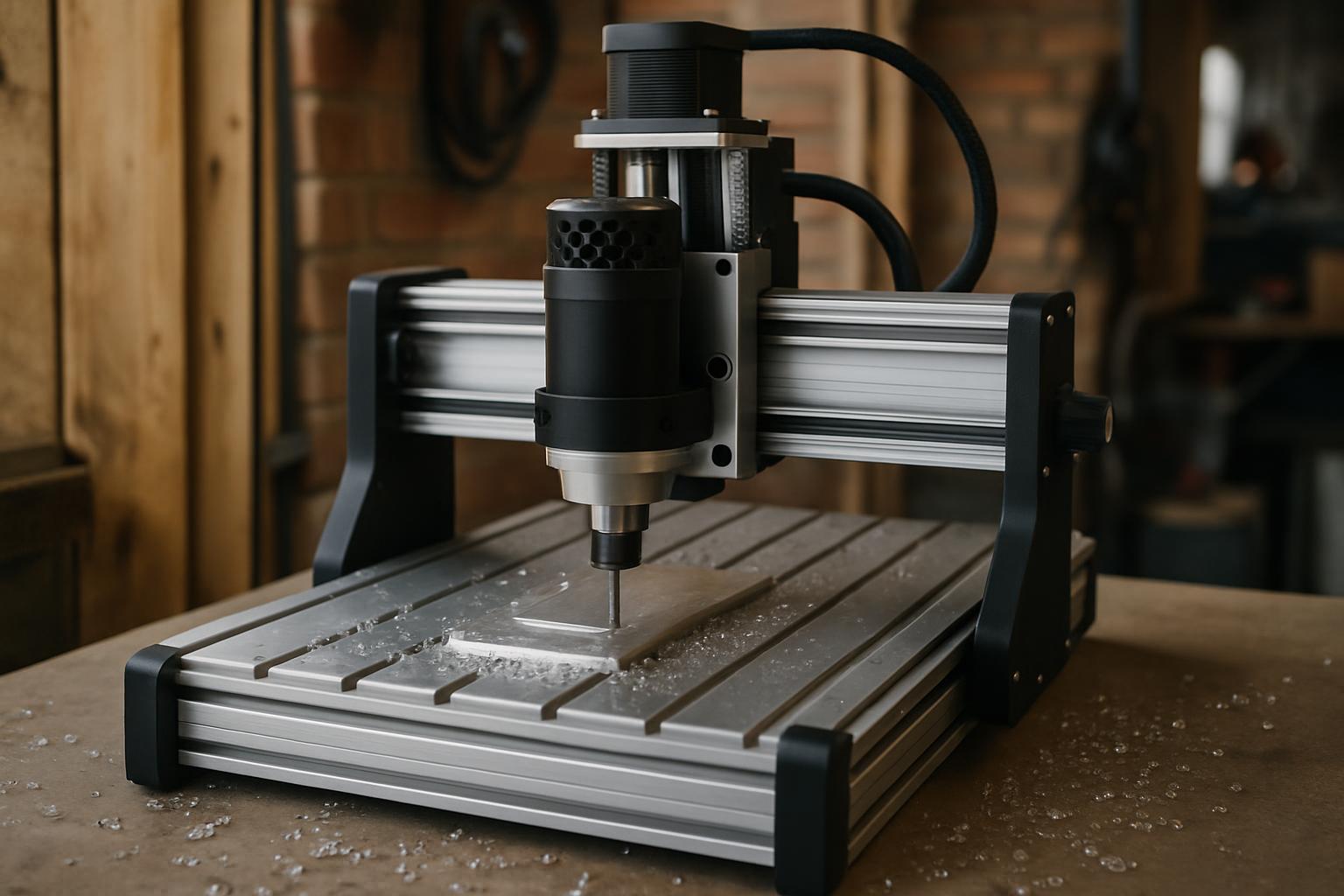
Acrylic Cutting and Engraving Work
Co2 Laser is aimed at sign, display and fabrication work where clean cutting and engraving matter.
CO₂ lasers are commonly used for cast acrylic signs, display parts, engraved labels, thin plywood inserts, and paper-based packaging samples. Material thickness, edge finish, smoke extraction, coastal humidity, and stable power all influence the settings you run and the consistency you get across a batch.
Before a full sheet goes on the bed, check the lens, mirrors, air assist, water cooling, and focus height against the actual material. A quick sample cut in one corner can expose flare marks, poor kerf, or incomplete penetration before stock is wasted.
Workshop Checks Around the Bed
A usable laser setup depends on extraction routing, access to the machine sides, and enough bench space for finished parts to cool and be sorted. In mixed workshops, keeping routed MDF work away from the laser area helps reduce contamination on optics and moving parts.
Use the matching product pages for Routers or profile cells when a job includes more than one process. If you send an enquiry through the contact form, include the material type, sheet size, and whether the work is mainly cutting or engraving so the machine discussion starts in the right place.
- Lens and mirror condition checked
- Focus height set for sheet
- Material and job details by email
South African Laser Shop Conditions
Sheet supply, courier packing, extractor outlet position, and backup power planning all affect how a CO₂ laser fits into a working shop. Many South African businesses use one laser across signage, point-of-sale, labels, and prototype work, so changeover time between materials matters.
Sea air around the Cape can shorten cleaning intervals on optics and metal components, while inland dust builds up faster on covers, rails, and extraction points. During power interruptions, long cutting runs and water-cooling checks need closer attention to avoid interrupted jobs and marked edges.
Operated by Astros Marketing (Pty) Ltd from 2 Makro Place, Sunnyrock 1401.
Information That Helps Spec a Laser
Send the materials you cut most often, their thickness range, and the largest sheet size you need to handle. It also helps to mention if your work is mainly polished acrylic edges, fine engraving, repetitive label production, or mixed sign fabrication.
Keep a written record of test settings for each common material, including power, speed, frequency where relevant, and focus method. That makes repeat jobs easier to restart after maintenance, operator changes, or power-related interruptions.
What our CNC and Laser customers say
Verified Google reviews