
Polokwane branch setup
A Polokwane showroom installation focused on stock movement, machine access, and day-to-day workshop practicality.
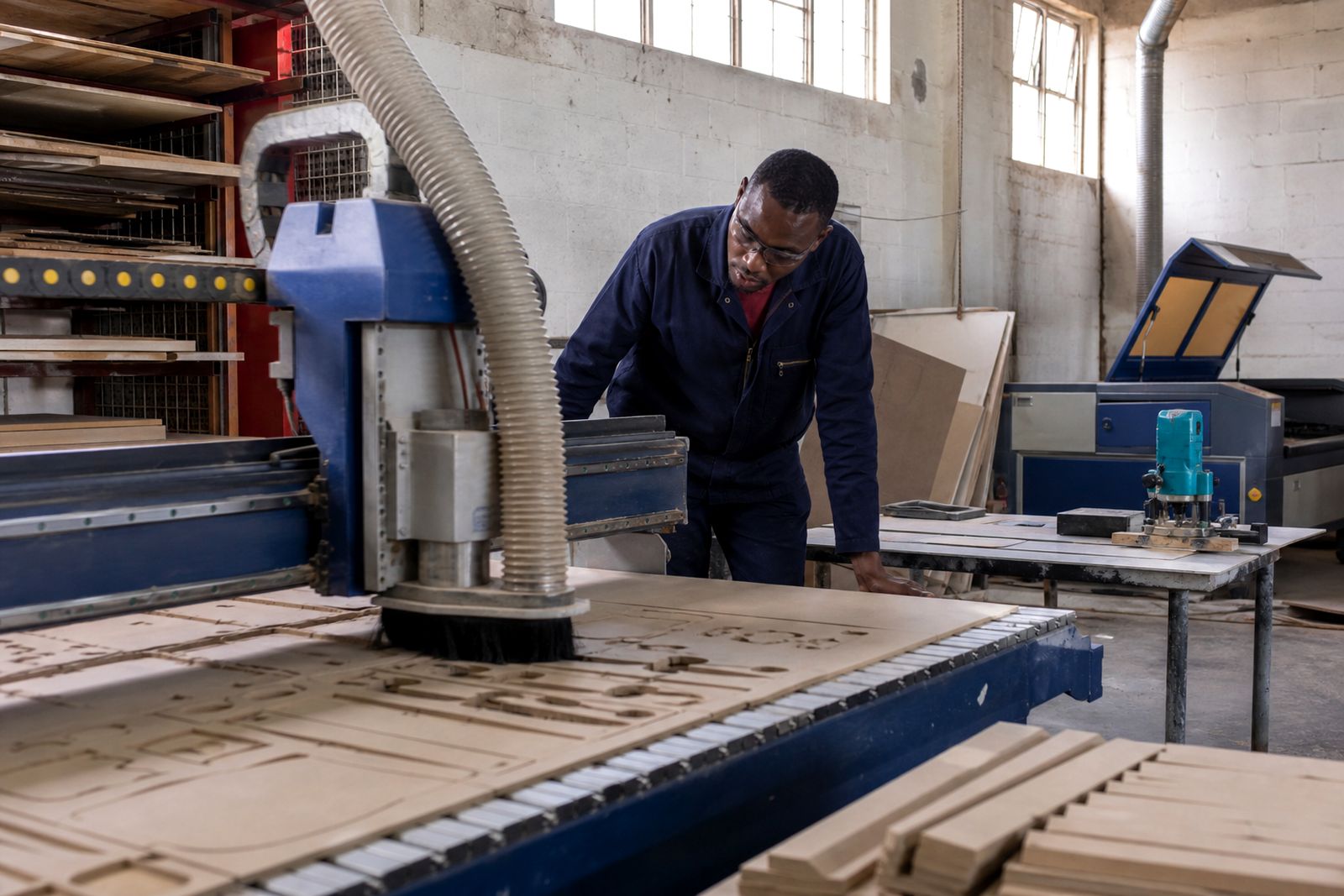
How Polokwane sites work in a week
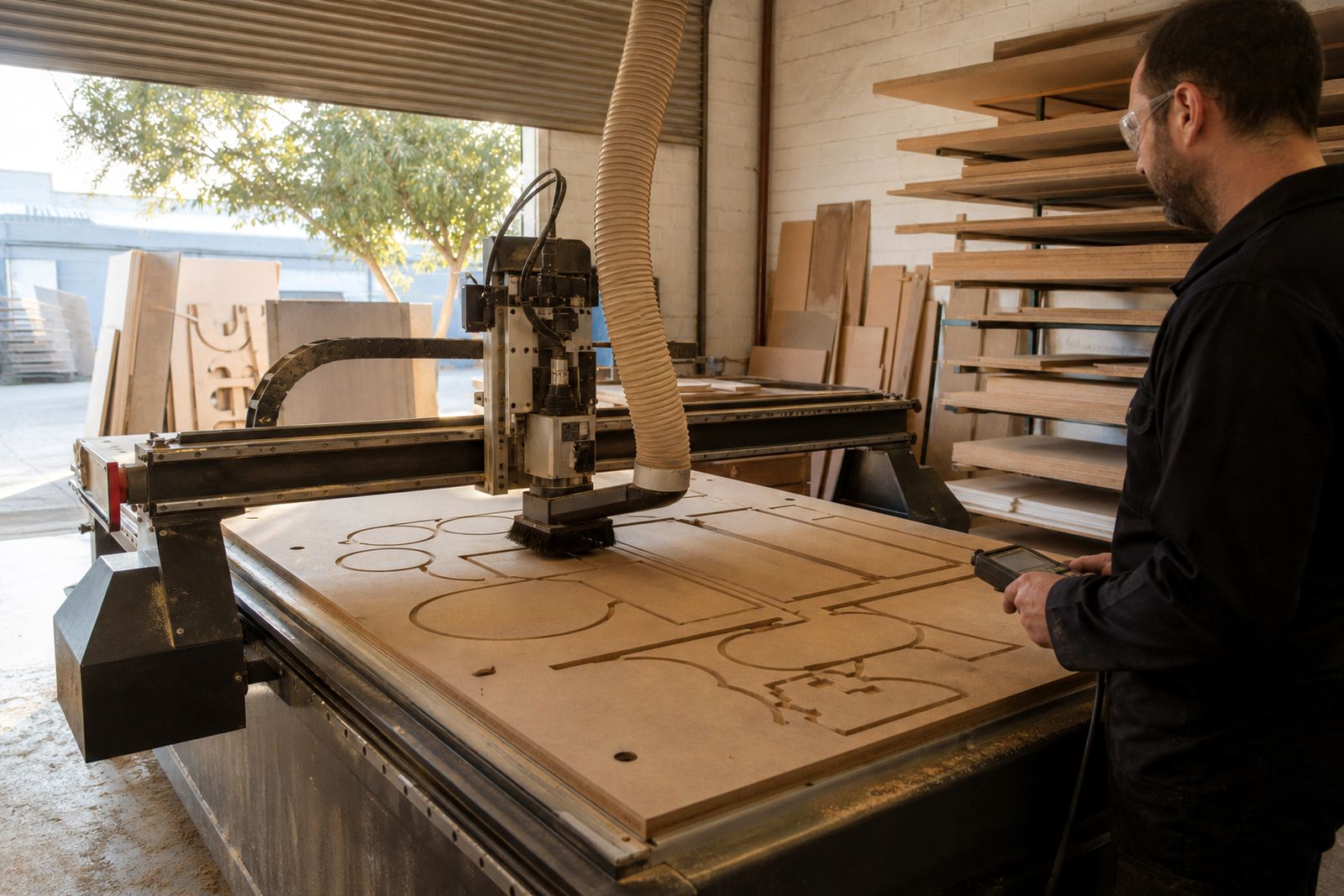
The Polokwane setup focuses on an installation in Polokwane where stock movement and machine access both matter. The setup keeps workshop practicality in view, from loading areas to everyday operator use.
Begin with the machine type, the sheet sizes moving through the shop, and the loading pattern for that site. In Polokwane, inland dust, heat build-up, power interruptions, and frequent stock handling shape how a router, CO₂ laser, or profile cell should be positioned. This setup looks at a studio arrangement where dispatch and production need to share space without blocking operator access.
Take the first site photo before anything gets shifted. A clear image of cable runs, extraction points, stock stacks, and entry doors makes later decisions easier when the team is comparing old and new equipment. That record is useful when the current machine has been clipping sheets, stopping mid-job, or forcing awkward loading angles.
Polokwane stock-handling layout
The outcome here is a site brief that ties machine position to sheet movement, operator reach, and access around the working area. Notes should identify where material arrives, where finished parts wait, and how maintenance can happen without moving half the workshop. For a supplier environment, daily use matters more than a tidy sketch with no room for pallets or offcuts.
Link the Polokwane installation with the relevant cell arrangement note and a matching studio record before changing machine scope. Recheck power details, delivery access, and machine specifications before any parts list or paperwork leaves the office by courier. Tell the Somerset West team the material and sheet size you plan to cut, and we will match a router, CO₂ laser or profile cell.
- Machine access kept clear for loading
- Current setup photographed before changes start
- Power and delivery details written down
Polokwane workshop conditions
This kind of site needs space for incoming board, finished stock, extraction ducting, and safe movement around the machine during a busy dispatch day. A supplier workshop in Polokwane may be handling repeat cuts, small urgent batches, and packing at the same time, so traffic around the machine cannot be guessed at. Separate the regular production stream from repair work on old equipment when mapping the area.
Polokwane's drier inland conditions usually bring more dust onto rails, covers, and sensor areas than a coastal shop would see. Power availability also affects when longer router jobs or laser runs should start, especially if the site is trying to move stock out the same day. During planning, note extractor position, board storage height, and the turning space needed for full sheets.
Site brief for supplier use
Send site photos, delivery timing, power availability, and what has already gone wrong with the current equipment. Keep the subject line factual.
Write the installation brief while the site visit details are still fresh. Include the machine seen on site, the material being moved, delivery timing, available power, and the specific faults with the current equipment. When a buyer asks what changed, that note should show how the new arrangement improves access, stock flow, and routine operator use.
What our CNC and Laser customers say
Verified Google reviews
Also worth a look
Tell us what you cut and engrave
Send a note through our contact form with the material, sheet size, thickness and the machine type you are considering, and we will come back with practical options and a quote.
Open the contact form