
Project
Cape Studio
A Cape studio machine setup for signage, décor, or joinery work, planned for real output on a South African shop floor.
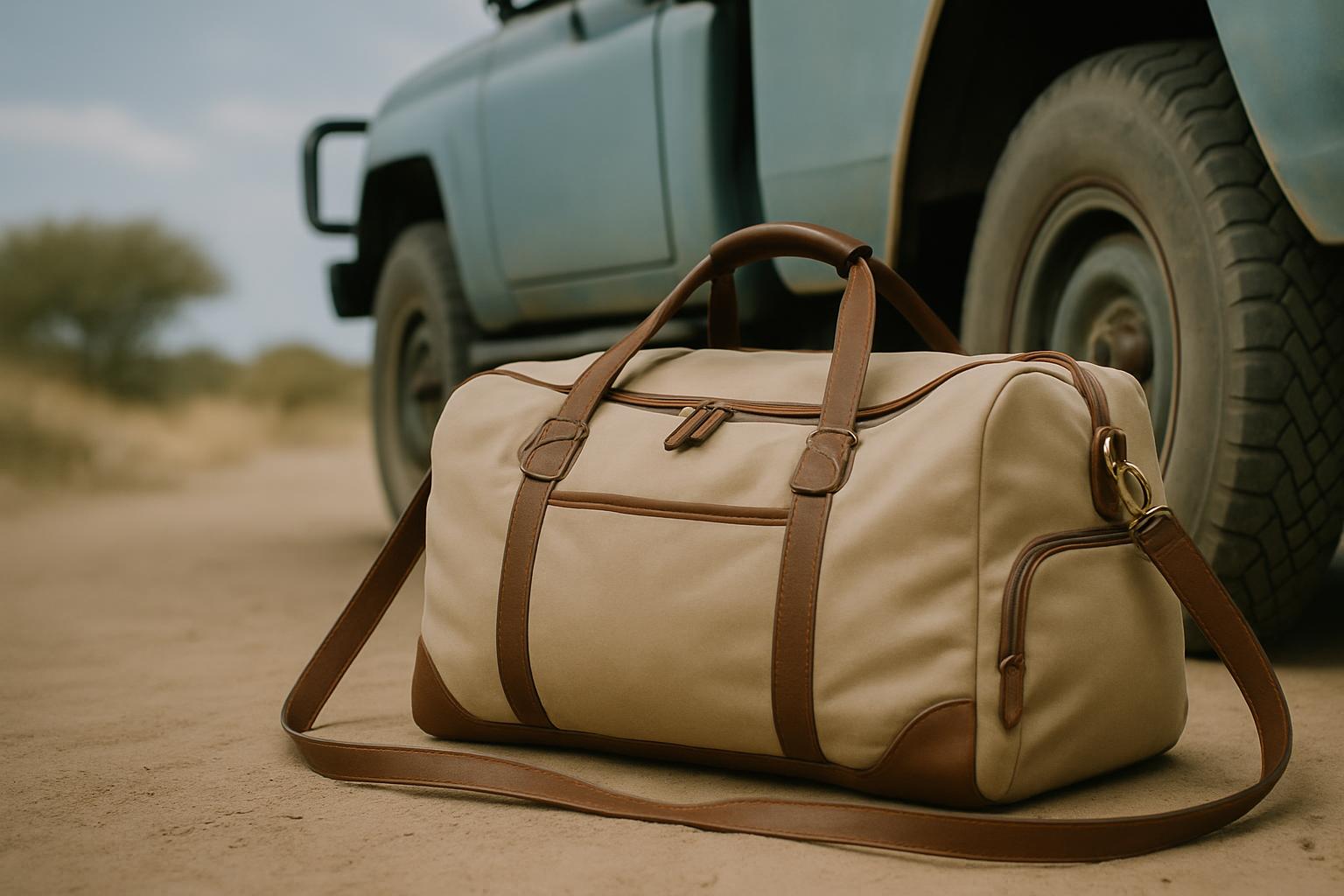
Cape workshop machine placement
Cape Studio looks at a machine setup for Cape workshop work such as signage, décor and joinery. The focus is on placing a CNC router or CO₂ laser where loading, cutting and finished-part handling make sense on a working floor.
Cape Studio focuses on where a CNC router or CO₂ laser sits in relation to sheet storage, operator access, extraction, and packing space. In Somerset West and the wider Cape, salt air, board swelling, and shared workshop areas can change how a machine should be positioned and checked before daily cutting starts.
Send a photo that shows the machine area, material stacks, and the route finished parts take after cutting. That helps identify pinch points around vacuum loading, offcut handling, lens cleaning, and dust build-up before MDF, plywood, acrylic, or laminated board goes through the next run.
What Cape Studio maps out
A usable machine arrangement keeps signage panels, décor pieces, cabinet components, or engraved items moving through a Cape workshop. Notes can cover board size, extraction position, cable routing, operator standing room, and where cut parts should land so edges do not get chipped on the way to assembly or packing.
Use the contact form to send the Cape Studio brief with timing and the cutting or engraving issues affecting output. Include the machine type, the materials most often processed, and whether the space is being planned around a router, laser, or profile cell so the layout discussion starts from the right constraints.
- Sheet handling near the machine
- Extraction and residue control
- Material flow for finished parts
Cape conditions that affect setup
Cape workshops often have to balance cutting, assembly, edging, wrapping, and dispatch in one shared area, so machine placement cannot be treated in isolation. Board deliveries, extractor duct runs, doorway width, and trolley access all matter when planning a router table, a laser bed, or a profile cell that must work around existing production.
Near the coast, corrosion risk and airborne moisture can influence maintenance intervals on rails, electrics, and metal surfaces. Power interruptions also shape how long jobs are scheduled, especially on nested sheet runs or repeated acrylic engraving batches where restart errors can waste material quickly.
Operated by Astros Marketing (Pty) Ltd from 2 Makro Place, Sunnyrock 1401.
What to send with the brief
Send the Cape Studio brief with floor photos, timing, and the cutting or engraving problems already affecting output. Keep the subject line straightforward.
Include photos of the machine area, the materials you cut most, and any bottleneck around loading, extraction, or part collection. It also helps to mention typical work such as shop signage, decorative panels, cabinet parts, or engraved items, because the best layout for acrylic letters is not the same as the best layout for full-sheet joinery cutting.
What our CNC and Laser customers say
Verified Google reviews