
Project
Durban Port
A Durban port-side workshop plan that accounts for material handling, floor conditions, and production equipment placement.
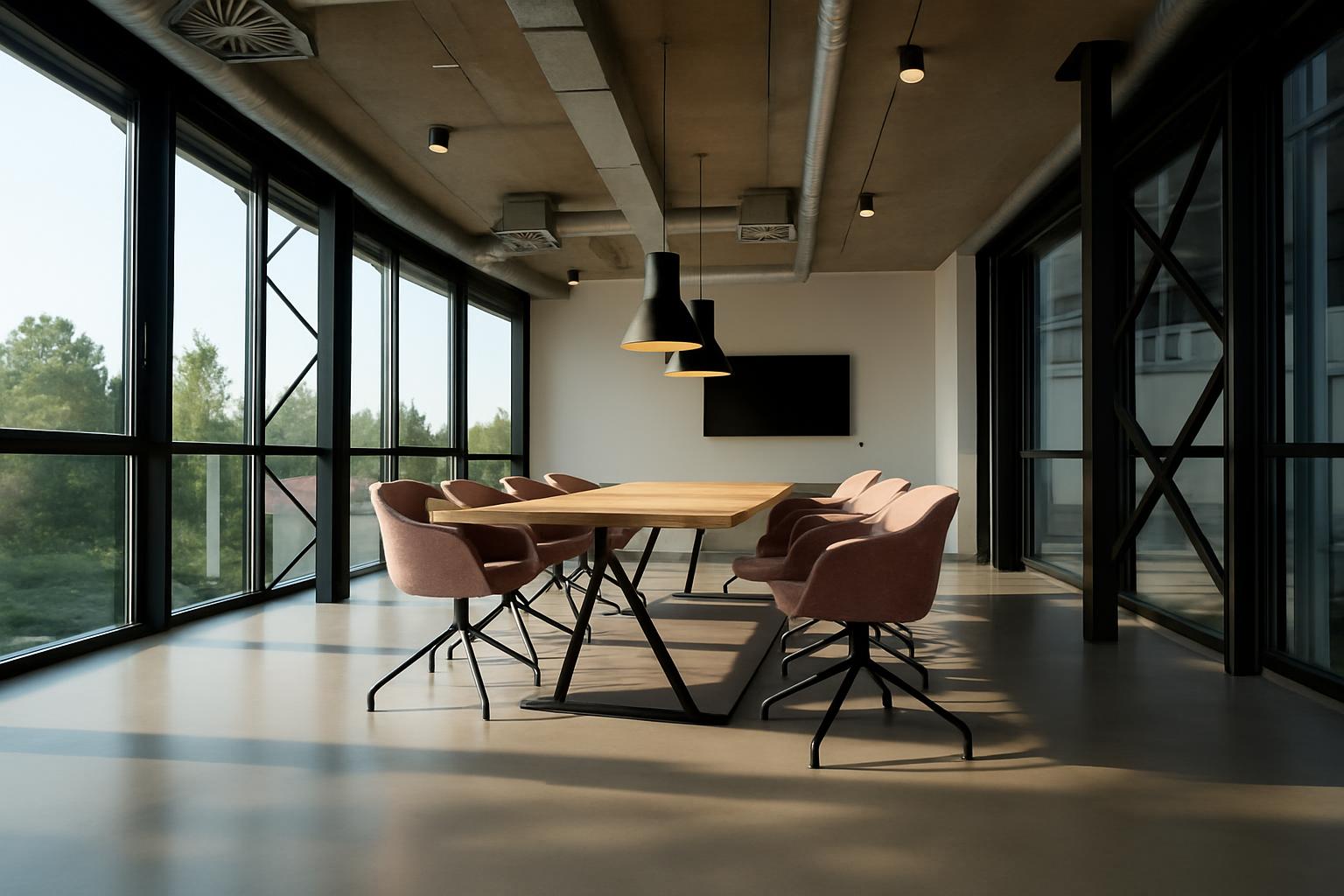
Durban Port workshop flow
Durban Port sets out a port-side workshop plan where material handling and floor conditions matter from the start. It places production equipment so offloading, positioning and day-to-day use work properly together.
Port-side production needs a different starting point. Salt in the air, truck access, pallet movement, and heavy sheet handling all affect where a CNC router, CO₂ laser, or profile cell should stand in a Durban Port workshop. Material storage and machine access must suit the way boards, crates, and finished parts move through the building.
Begin with clear photos of the machine area and the route from offloading to cutting. A port workshop can have worn surfaces, tight turning space, or shared loading zones, and those details matter before equipment is shifted. One marked image near the machine often prevents wrong placement, blocked extraction runs, or awkward sheet loading later in the day.
What Durban Port includes
Placement, handling, and equipment checks matter in a working port-side shop. Record where the router, laser, or cell should sit, how stock reaches it, and what needs to stay clear around the operator position. The result should be a layout that suits daily cutting, loading, and maintenance without guesswork.
Before expanding the plan, link Durban Port with the matching cell notes and any workshop records tied to the current machine. Check the router, laser, or profile cell details against the paperwork. Include timing, workshop photos, and any faults that have shown up during use.
- Machine position set for sheet movement
- Photos show access and loading space
- Current faults listed with workshop photos
Port conditions that affect setup
Durban Port planning must account for offloading space, extraction routing, packing benches, and shared use around production equipment. In some shops, routing, laser work, and dispatch all happen in one building, so each machine needs proper clearance for stock and operators. If certain jobs run every day, keep those production lines separate from repair work or machine moves.
Sea air can shorten cleaning intervals on rails, lenses, covers, and exposed metal parts. Power interruptions matter when long router programs or laser batches are scheduled, especially where restart waste is costly. Dust from board cutting and residue from acrylic work also change how often checks should be done around extraction and moving parts.
Operated by Astros Marketing (Pty) Ltd from 2 Makro Place, Sunnyrock 1401.
Details to send from Durban Port
Send the Durban Port brief with workshop photos, timing, and any failures already found in the router, laser, or cell setup. Use an honest subject line.
Send the machine type, material being cut, and a few photos that show loading space, operator access, and surrounding equipment. Add timing for the work, plus notes on any failure in the router, laser, or cell setup that has already been seen. That gives Durban Port a usable workshop brief instead of a vague equipment request.
What our CNC and Laser customers say
Verified Google reviews