
Cells
Overnight Run
A night-run production cell for South African workshops, arranged for safe repeat jobs after hours.
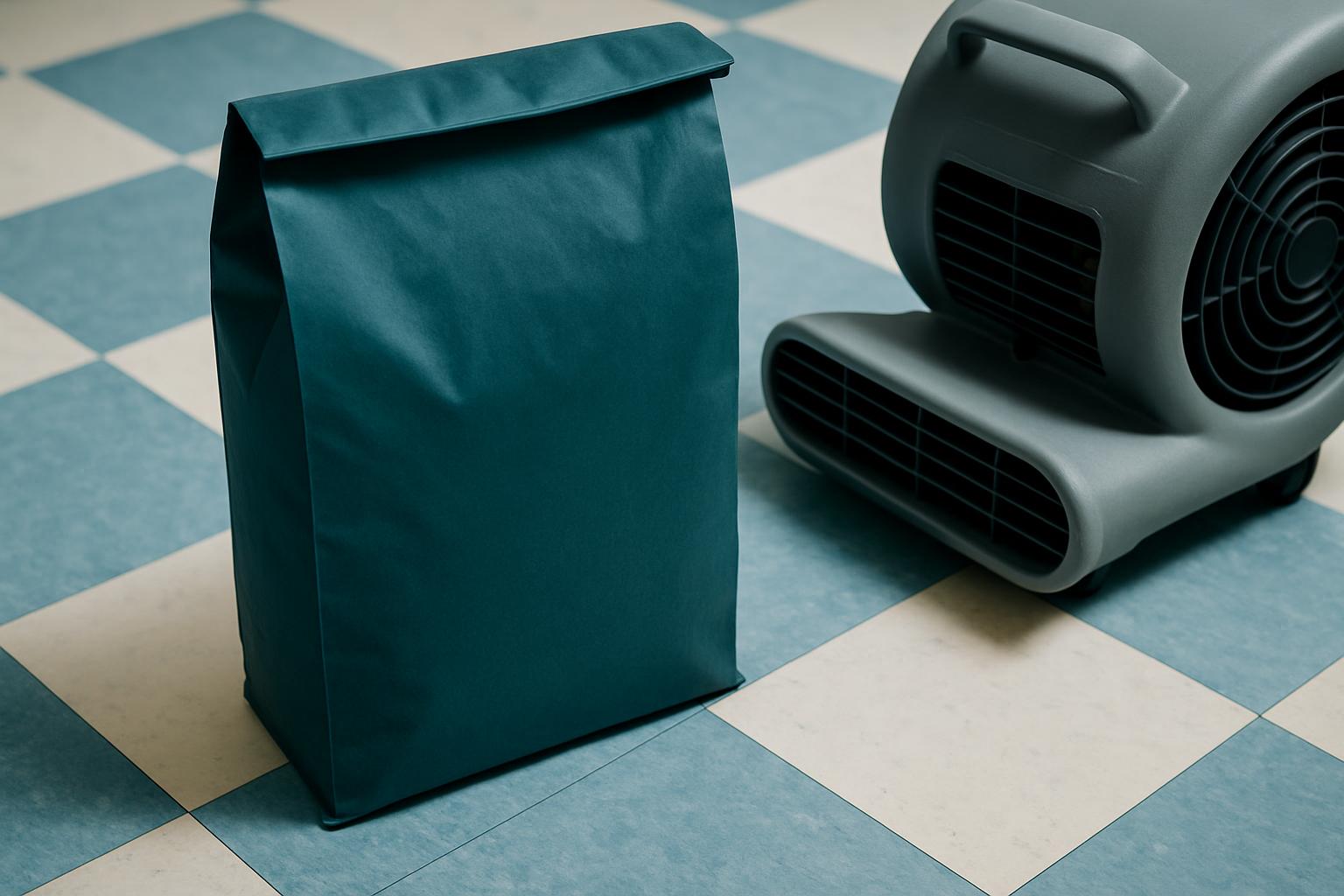
Night shift cell arrangement
Overnight Run is for workshops that leave repeat jobs running after hours under controlled conditions. The cell layout keeps loading, collection and safety points straightforward around the CNC router or CO₂ laser. It suits production teams working on stable parts where the night shift needs a predictable setup.
Overnight Run is set up for repeat work that can continue after the day team leaves. Sheet stock, nested parts, offload points, extraction, and access to the CNC router or CO₂ laser are arranged so the workshop can check the cell before lock-up. In Cape conditions, dust load, humidity, and power interruptions all matter when planning an unattended production window.
Begin with one proven job, not a mixed batch of new files. A marked photo of the machine area helps the operator confirm board position, finished-part collection, and safety clearances before the run starts. That reference is useful after a wet weekend in Somerset West or a week of salty air near the coast.
What the cell is built around
The layout centres on predictable loading, simple part removal, and visible safety checks around the machine. Operators need written run settings, material notes, and stop points that match the actual router, laser, and job. Stable production matters more here than squeezing in another variable after hours.
Use Overnight Run when the same components are being cut regularly and the team wants a controlled after-hours setup. Pair it with the related Cells option and confirm machine details, extraction needs, and material type before sending anything through the contact form. One current workshop photo is enough to show access, stock position, and collection points.
- Repeat jobs with fixed loading points
- Pre-run checks kept beside the machine
Checks that matter after hours
An overnight production cell must account for the workshop as it stands, whether that is a router bay with MDF build-up or a laser area with acrylic residue near extraction. Access around the machine should stay clear for loading, collection, and emergency stops. If the cell sits inside an active factory space, separate normal day-shift traffic from the route used for the night-run setup.
Coastal moisture can affect sheet storage, vacuum hold-down, and how cleanly some boards machine late in the day. Inland sites may need more frequent attention on rails, covers, lenses, and sensor points because of finer dust. Where load-shedding is part of the week, long runs should be planned around known supply interruptions rather than around the clock alone.
Operated by Astros Marketing (Pty) Ltd from 2 Makro Place, Sunnyrock 1401.
Details to send for this cell
Include the machine type, material, sheet size, and the exact repeat part you want to run after hours. Add notes on any stoppages, edge quality issues, or collection bottlenecks that appear near the end of a batch. Photos should show the machine front, stock position, offload area, and extraction connection.
Keep the final run note with the job file so the next shift uses the same settings and checks. Record the sample material, cut order, collection method, and any lens, spindle, or vacuum observations while they are still fresh. That makes Overnight Run easier to repeat on the next stable production cycle.
What our CNC and Laser customers say
Verified Google reviews