
Cells
Highveld Site
A Highveld workshop cell for South African inland conditions, planned around dust, dry air, and power planning.
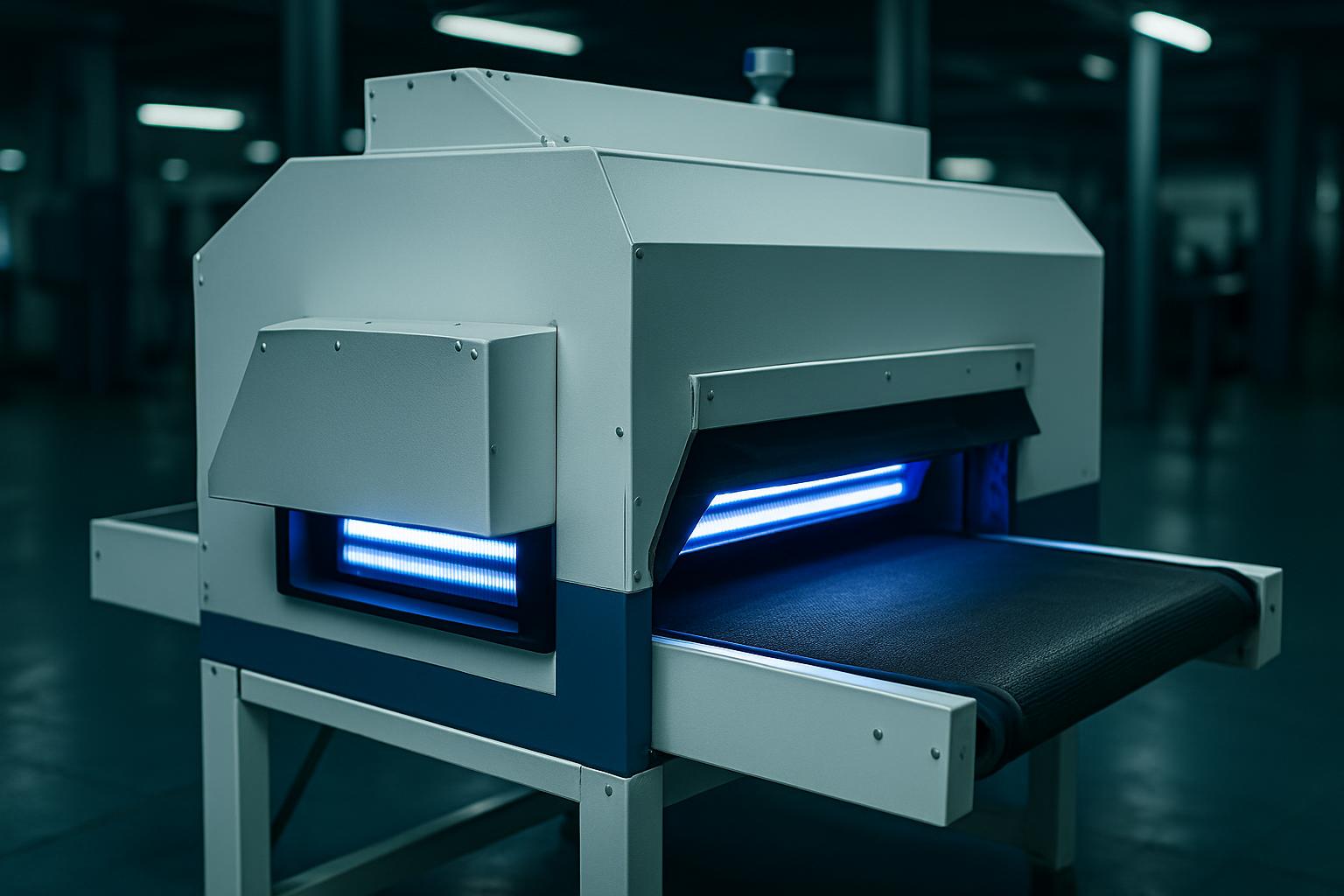
Highveld dust and power layout
Highveld Site is planned for inland workshops dealing with dust, dry air and power considerations. It sets out the CNC router or CO₂ laser so cleaning, ventilation and cable runs are easier to manage. It suits production floors where local conditions affect daily machine use.
Highveld Site starts with inland workshop conditions, not a generic machine position. Fine dust from MDF and chipboard, dry winter air, and longer cable runs all affect where a CNC router, CO₂ laser, extractor and electrical board should sit. The layout is planned so cleaning points, sheet handling and ventilation routes make sense for daily use.
Begin with a current photo of the machine area, including extractor ducting, wall plugs and board storage. That image makes it easier to spot where dust will collect, where static may build up, and whether operators have enough room to load full sheets without crossing cable paths. On inland sites, those small placement issues often show up first during repetitive production.
What the site plan covers
The Highveld Site page sets out machine position, service access and routine checks around inland working conditions. Notes can cover extraction direction, lens and rail cleaning points, and where to keep offcuts away from moving parts. The aim is a workshop cell that supports repeat jobs on routers, CO₂ lasers or profile cells without clutter around the machine.
Use Highveld Site with the related cell information before changing ducting, power drops or machine orientation.
- Dust-aware machine placement
- Cable and extractor route check
- Photos can be sent with details
Inland workshop conditions considered
Highveld workshops often need more attention on dust control, extraction runs and power planning than coastal sites. A shared production area may have sheet storage, packing tables and a router or laser working close together, so access lanes and cleaning zones need to be clear. Material movement matters as much as machine footprint when boards and cut parts pass through the same area.
Dry air changes how dust behaves around rails, covers and sensors. Power interruptions also affect when to run longer cutting jobs, especially where restart checks must be done before the next sheet goes on the bed. On a CO₂ laser, lens cleanliness and vent routing become part of the daily routine under inland conditions.
Operated by Astros Marketing (Pty) Ltd from 2 Makro Place, Sunnyrock 1401.
Information useful for Highveld Site
Send the machine model, bed size, extractor position and a few workshop photos from different angles. It also helps to note whether the cell is for board cutting, acrylic work, nested parts or mixed production. If a specific problem keeps returning, mention where it happens in the room and during which job type.
Keep a simple record of test jobs, material thicknesses and any power-related stoppages observed in the cell. Those notes make it easier to compare router and laser placement against actual workshop use rather than assumptions. For profile cells, include how stock enters the area and where finished lengths are stacked after cutting.
What our CNC and Laser customers say
Verified Google reviews